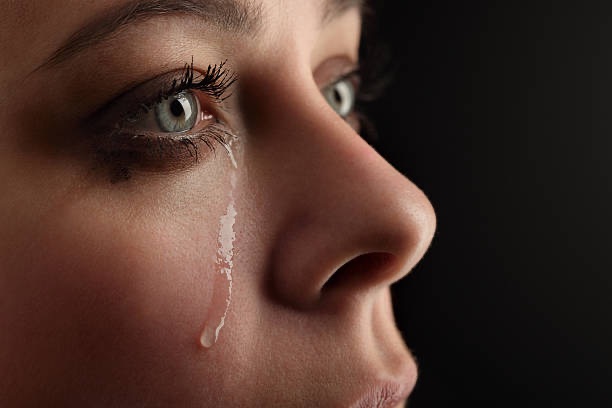
One of the most difficult (and depressing) things I faced as someone struggling with clinical depression was the stigma surrounding reaching out for help when help was most needed. It boggles my mind how often people question whether a diagnosis of clinical depression is legitimate and whether or not medication is necessary. It blows my mind when these same people, who perpetuate the stigma against seeking assistance with mental health struggles, grapple with why someone committed suicide and ask why this person didn’t reach out for help when they were struggling. News flash: they probably did. Let that sink in: THEY PROBABLY DID.
It takes immense courage to ask for, and receive, necessary medical treatment that will almost certainly result in judgment from others. It takes an energy level and mental fortitude that is already lacking in a clinically depressed person to reach out, discuss options, and begin professional treatment. But when relief comes, when the right medication is found and the sun begins to shine brightly once again, the clinically depressed individual can begin to see that stigma is just uninformed noise, mixed with a good amount of fear.
Distrust of big pharma is a very real issue. The medications we put into our bodies have side effects that alter our chemical compositions, cognition, and organ function. We should never blindly take any substance into our bodies without fully investigating, and monitoring for, the risks associated with that substance. Coffee gives us energy, but caffeine overdose and dehydration are real risks. Alcohol is fun for some, but many overmedicate with this fully legal and readily available substance to numb out feelings they aren’t ready to face and process. Alcohol has caused countless deaths, whether through impaired accidents, alcohol poisoning, or liver failure. Cigarettes and vaping give nicotine boosts that improve focus and give energy, but significantly increase the risk of cancer and impair overall lung function. As with all mainstream substances, FDA-approved medications come with risks and side effects if overused, abused, or taken incorrectly. But…where eliminating “street” substances often used to self-medicate usually improves health, the drawback to not taking prescribed medications when dealing with diagnosed medical conditions comes with equally devastating risks and side effects.
While distrust of big pharma begins with a genuine concern for health and wellbeing, it has become a misinformed fear taken to the extreme. There are times in our lives where “unnatural” medicine is necessary to save lives and improve everyday living. This is a decision best left to the patient and a trained medical professional who is intimately aware of the patient’s medical history, not Aunt Josephine and Google. Whether treating cancer, HIV, diabetes, or depression (to name just a few conditions requiring professional treatment), medication is a legitimate, life-preserving option that should never be judged…especially in the 21st century, when life expectancy has significantly increased due, in large part, to modern medicine.
Contrary to popular belief, not all forms of depression can be treated with home remedies! Those who believe this is entirely possible are not aware that depression does not always stem from the same source, but can actually surface due to a variety of reasons. (I am not a doctor, but to read more about this, read my blog post “Types of Depression” by clicking on the title.) Treatment for depression is not a one-size-fits-all situation. This is why what worked for Aunt Josephine when she was having a series of bad days back in 1997 might not work for her neighbor, who is healing from trauma, or her coworker, who has a chemical imbalance in the brain. While those who offer advice often have the best of intentions, misinformed advice about mental illness can have devastating consequences.
While I’m on the subject of advice, I’d like to address unsolicited advice because, like a pregnant woman, this is something a clinically depressed person often receives as soon as they reveal their struggle with depression…which is why so many depressed individuals struggle in silence until it is too late. Have you tried yoga? Cutting sugar out of your diet will make your moods more manageable. My cousin had depression once and got over it with the power of positive thinking…have you tried keeping a gratitude journal? Someone with clinical depression will hear a wide variety of conflicting and unhelpful opinions because everyone around them has a different outsider’s perspective on the internal workings of a depressed individual’s brain. If the person struggling with mental health issues were to try all of them, all at once, this person might find that there is a little truth in everything, they might experience a little relief some of the time, and they will probably exhaust themselves and eventually plummet into despair.
How do I know this? Because I did just that. I was anti-medication so I prayed, I exercised, I went vegan and cut out all sugar, I stopped drinking coffee and alcohol, I started writing one thing I was grateful for every day, and I made lifestyle changes in a myriad of other ways. While some of these things (and several other pieces of unsolicited advice I took to heart and put into practice) helped temporarily boost my mood a little bit, I continued to struggle through my days, lacking energy, feeling nothing or feeling bad, and losing control on really bad days where my mood would sink to dangerous lows that no amount of yoga, sugar deprivation, or grateful platitudes could assuage. It wasn’t until a doctor explained to me that, through no fault or failing of my own, I had inherited a genetic mutation that causes an overactive hippocampus to suck all the dopamine from my brain, causing chemical imbalances that result in severe clinical depression and hallucinations that I began to accept myself for who I am and submit myself to professional treatment. This treatment immediately (and permanently) improved my quality of life. The advice I received from well-intentioned people wasn’t necessarily bad…it just wasn’t the solution because it didn’t treat the root cause of the issue.
Because I accepted professional treatment for my medical condition, I grew healthier, more stable, and stronger. That is when I decided to stop hiding from the world and begin speaking up about the stigma surrounding mental illness. I sincerely desire to change the narrative we have accepted for far too long. What if we had a real shot at beating this depression thing through authentic connection with others? What I mean is this: What if we changed how we talk about mental illness so other feel safe to speak up about their invisible struggles, reach out for help, and accept professional treatment, whatever form that takes? What if we began accepting people for who they are and meet them where they are at, without demanding that they legitimize their struggles or justify their need for help? What if we – brace yourself for what I am about to say – BELIEVED PEOPLE when they say they’re having a rough time…rather than gaslighting them by questioning their perceptions and internal reality? What if, like sex, the general public began waiting for consent to offer medical advice, rather than forcing themselves on already weakened and vulnerable individuals? What if we withheld judgment during a person’s darkest hour and what if this change in us saved just one life?
Would it be worth it?
 Wisdom from the Trenches
Leave a comment