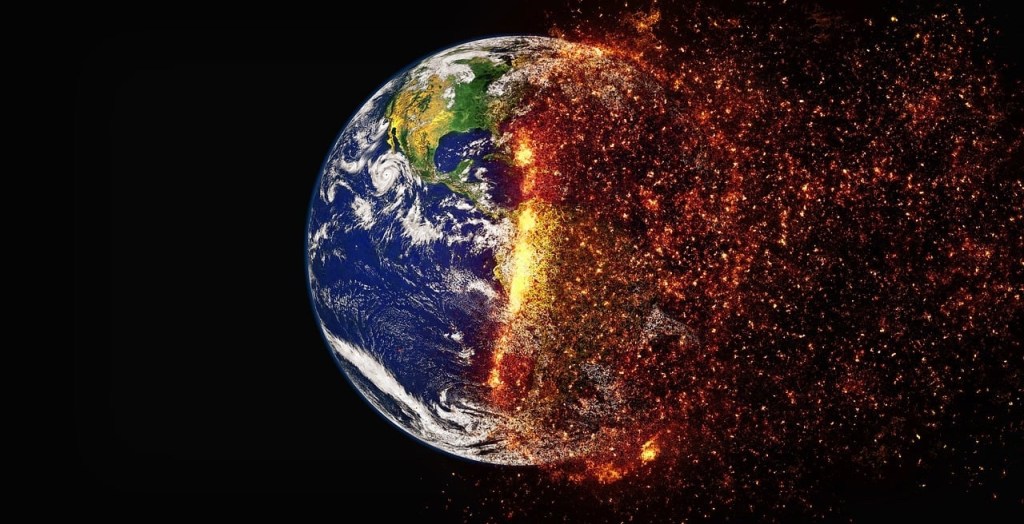
The phrase we have all grown to despise since COVID lockdowns busted onto the scene and mask mandates were commonplace. This is not a blog in support or opposing certain political views about public response to a virus, but I think we can all agree that whatever we believe about that time, it was hard on people, for a myriad of reasons. During that time, a phrase was born: “A new norm” – and we collectively shuddered every time it was said. Because normal doesn’t actually exist, except as a setting on the washer and dryer. Because this phrase acknowledges that nothing will return to baseline (as we define it) after the adversity, something we inherently don’t want to hear. Because this phrase implies we must embrace our uncomfortable change in circumstance.
Grief is the same. It ushers something into our lives that we don’t want to accept because it is change we never wanted for our lives. But as we heal, we eventually come to a place of bittersweet peace with the way things are. It is an entrance into a new normal we don’t want to acknowledge, but that exists regardless. It is uncomfortable, it is harsh, it is confusing, it is painful…and it is our reality, our new norm.
In my last blog post, I wrote about the sadness that engulfs as we confront the confusing terrain of this new place where life doesn’t make any sense. We work through the shock, denial, rage, and desire to bargain or negotiate with ourselves, others, and God, to be rewarded with overwhelming sadness. And yes, I mean rewarded. It is messy, but it is healing to cry. Tears release toxins that were never meant to stay inside us. Grief needs to be expressed with all sorts of emotions. Grief in all its forms needs to be felt, heard, acknowledged.
As we begin to come to terms with the world around us after betrayal, pain, abuse, loss, or trauma, we see in jarring detail our new norm. We don’t want this life, but this is the only life we have to live. We must take or leave this life as is. This is where many get stuck for a time. They simply don’t want to accept their new norm. There is that phrase we collectively hate so much. But here’s the thing: NO ONE wants a new norm. There isn’t a soul on Earth who wakes up in the morning hoping tragedy will come their way so they can become stronger, learn some deep life lessons the hardest way possible, and experience change in their life.
But perhaps the reason we hate the phrase “a new norm” so much is because it isn’t actually new…
Life always has beauty – not just in the past, but even in the painful present and unimaginable future as well. Life has brokenness and pain – not just in the present, but we have survived hurt in the past and we will face it in the future as well. Grief doesn’t just shake us and turn our lives upside down, it pries our eyes open to behold in full and vibrant color what has always been around us: Life is the good and the bad all mixed together in a jumbled mess and, even if it hasn’t punched us in the gut this badly before, it has been like this all around us since the beginning of time. This isn’t a new norm. There is nothing “new” about the bizarre intermingling of beauty and pain. Grief is a rude awakening to the bittersweet reality that we are stuck in the middle of a broken world, where tragedy, trauma, and terror hit people every day, but where we can simultaneously access hope, health, and happiness. And that is something few want to accept because we believe life shouldn’t be painful. People shouldn’t hurt us. The wrong that exists in the world shouldn’t be there. We want the ideal, the perfect world and grief shows us that a perfect world doesn’t exist, a truth we don’t want to accept. We want to live in paradise, something that is simply not possible. We want to close our eyes to what we see and reinvent our reality. We want to put our blinders back on. It’s as if we are stuck in the matrix and we want to go back to the moment we swallowed the red pill and choose the blue pill instead, so we can go back to the way things were – blissfully unaware of the imperfections in our world.
This is the point where you, dear reader, are maybe upset because I clearly don’t understand the depth of your pain and mentioning that life isn’t perfect is not comforting to you in any way, shape, or form. You are right: I don’t understand the specifics of your situation. Your journey and mine are not one and the same, but I understand grief so embedded in a soul that tears cannot wash it away…ever. I understand feelings of a life so radically changed for the worse in an instant. I understand being stripped of your free will to choose in the moment and the feeling of helplessness that come in waves afterward. I began this series because I was coming to terms with losing my grandmother, someone who had lived a full life and was at peace with leaving this world. As I grieved, I recognized some similarities in grief journeys between the sadness over losing someone very dear to me and the far deeper pain I experienced after being sexually assaulted, stalked, and harassed by an acquaintance in the military. I wrote from personal observation. I wrote to remember. I wrote to grieve – raw and unfiltered emotion about completely different circumstances. Completely different levels of grief. Completely different journeys to wholeness. But similar in some ways.
Coming to terms with residing in an imperfect world was far more difficult as I grieved in the aftermath of trauma, but in both instances, I came to this truth: This world is not ideal. People hurt people, wars happen, loved ones pass away. I don’t find that reality comforting any more than you do, but I have found hope in knowing that details will often shift and change, people will come and go, but God remains the same and is with me always. This world is not perfect, but the God I believe in is…and He has met all my needs when broken people and this world have failed me.
In my degree program at a secular university, I was surprised when they began teaching us early on that research has proven spirituality is a pivotal part of the healing process. Whether you consider yourself spiritual or scientific, know that when it comes to emotional pain, the information from both align on this one point: deeply held spiritual beliefs and values are central to every step taken in a person’s healing journey because they help guide a person toward accepting the uncertainty and change in each “new norm”. So if there is anything comforting I can offer you in the midst of this broken world, it is this: cling to your faith as you walk through trials. Hold fast to your beliefs. Let God guide you from shock, through despair, rage, bargaining…into acceptance. Let Him hold you tightly when you vacillate between steps in the grief process, because it isn’t a linear journey. Allow yourself space to feel, grace in the messy days, and time…so much time. Know that even on the worst days – especially on the worst days – you do not walk alone.
 Wisdom from the Trenches
Leave a comment