I have saved the best for last – not because this is the most important of the parts I wanted to talk about, but because this is the most fun to discuss. My biggest pet peeve is when people trivialize depression and anxiety issues, offering superficial (and often completely unrealistic) “solutions” to folks who are basically drowning in an ocean of overwhelming emotions or, as is often the case as well, dying of dehydration in a desert entirely devoid of feeling. Devastation, sorrow, grief, despair is as difficult to face as apathy, indifference, and languor. As you read this last part of the series, I hope you will remember that my emphasis in the healing process will always be on first dealing with actual medical issues that might be exacerbating the situation, creating a safe space for healing by setting healthy boundaries and dealing with external factors, and then dealing directly with the issues that have been internalized and are actively detracting from overall feelings of satisfaction and a high quality of life. What I offer to you here are not pat answers for major life crises, but rather strategies I’ve learned for maintaining the more positive life I fought hard to win back thru years of intense counseling after trauma shattered my very being. None of these suggestions will heal you. This isn’t a regimen to follow verbatim. These are simply ideas I have found helpful in my daily life at one time or another. Take the advice that best suits you. Ignore what does not work for you.
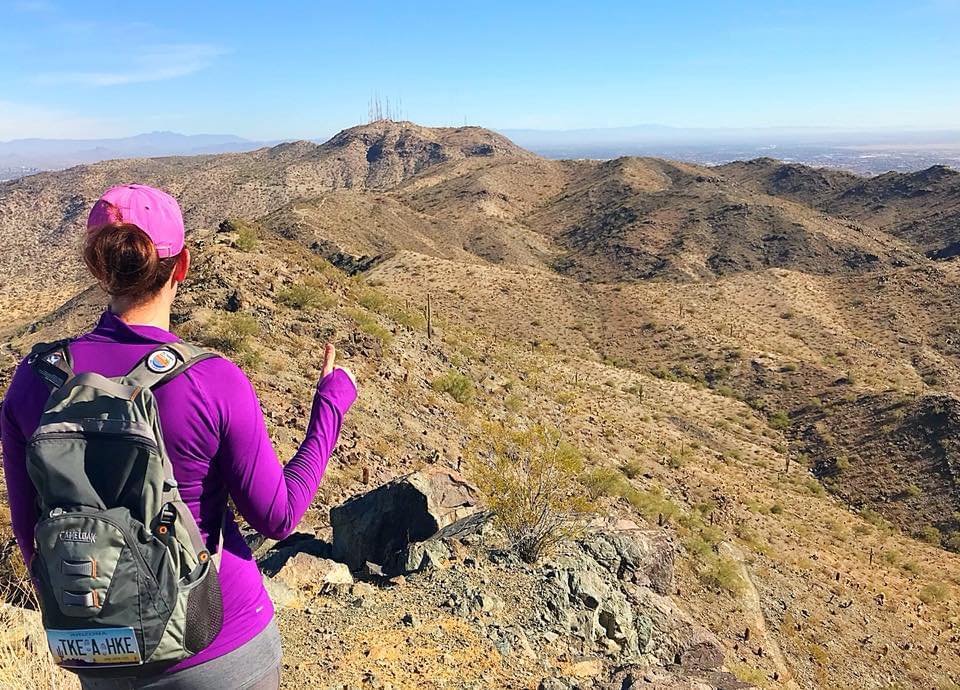
- Incorporate what you need into your schedule. I carry around a beautiful daily planner, because I like pretty things and because I manage multiple schedules simultaneously. In it, I write what I have to do (doctor appointments and the like), what I aspire to do (goals and dreams), and what I need to do to be healthy and happy. I have heard it said, “Don’t say ‘I need to…’ because it makes it sound like an obligation and you won’t want to do it.” But I grew up learning the difference between wants and needs. Wants aren’t necessary to my existence. Needs are. Wants can be denied and I can still thrive. Denied, delayed, or deferred needs will chip away at my wellbeing until I can no longer function properly. If I have to want it to do it, I will not do the very things I need to do in order to function. I don’t know anyone who wants to do laundry – and yet, we all find ourselves attempting to match freshly dried socks up at the end of every week. Not very many people look forward to drinking the amount of water that could basically fill a children’s swimming pool each day, but we do it because our bodies need to stay hydrated. Similarly, I have emotional needs. I am an extrovert. I need time with people on a regular basis. This is actually invigorating to me, naturally boosting the dopamine in my brain. My anxiety lies to me sometimes. It tells me that I don’t want to go out and see the people. It tells me I should stay home, where I am safe and everything is predictable. But I have learned to recognize the difference between what is truth for me and what is not. So I schedule regular time out of my house with people as an appointment. I tell myself this is non-negotiable, unless I have a contagious illness that would make it unwise to socialize. I also know I need to exercise or I won’t feel good. I know I hate working out indoors because I like a change in scenery. So I schedule hikes (which I did far more often when I was hiking with a Meetup group). I was once asked by my therapist why I plan to hike alone when I am an extrovert. This is an area where I could hit two birds with one stone. I actually forgot about that until right now, so after writing this, I remember that I need to rejoin social hiking groups, which also holds me accountable for doing what I say I am going to do. The takeaway here? Know who you are, find out what you need to really thrive, schedule it into your routine, and then treat it like an appointment and actually DO IT. When others say they need your time, respond as you would if that time were a dentist or doctor appointment and look for a time that works for both of you. This isn’t selfish. Your needs matter.
- Actively look for the good in life – and record it. I love to write. Words are kind of my passion in life, so I regularly journal. I write about beautiful, exciting things that I encounter. I record hilarious mishaps or humorous stories from the day. I write about opportunities that have just fallen into my lap, ideas that my mind is chewing on, and vivid dreams that I dreamt the night before. If words are not your thing, consider a bullet point journal or photograph log of some sort, where you record something as simple as one word, one sentence, or one photograph to sum up the good in your day. My daily planner has a gratitude space to fill in every day. It is a tiny one inch by one inch square at the bottom of the page, where I can add in the highlight of my day. Early this year, I found a tiny book at Goodwill called “The Happiness Project: One-Sentence Journal” and I’ve started filling it out with my husband, to keep track of the fun or interesting things we do as a family. We don’t always remember, but we do have coffee every morning and we aim to write a sentence about the previous day. There was a day (months ago) that was particularly troubling, but we wrote “We tested negative for COVID,” and that was pretty good news for that day. In this journal, we aren’t always recording positive and upbeat things, but we trend toward happier memories – even if they seem “little”. When I learned about #project365, I had to give it a try. Participants aim to capture and post one photograph with the hashtag each day. It is a year-long, photo journal project that has participants actively searching for beauty all around them. The takeaway? Devise a way that you can create a record of the good in your life so you can make a daily habit of focusing on what is true, noble, right, pure, lovely, admirable, excellent, or praiseworthy.
- Brain dump the bad. Like I said before, I journal…but not always about just positive things. Gratitude is not healthy if it is firmly rooted in denial. I have always recorded the events in my life in journal form, but I balked at recording the most painful events I experienced because I was secretly afraid that seeing them on paper would make them seem so much more real and, consequently, more difficult to face. Nothing could be further from the truth! I learned that when I journal about frustrating or sad situations, it is an opportunity for me to brain dump all the negativity that is in my head onto paper, pray, and…leave it there. This is my opportunity to unburden myself. Dumping the tornado of difficult emotions and unloading the skeletons in my closet onto paper does not make the evil I’ve encountered more real…it makes it realistically manageable because I no longer carry the full weight of that burden. Writing about the bad also comes in handy when I look back through my writing in the midst of dark days because the entries remind me that life has a natural ebb-and-flow rhythm of highs and lows in daily living. Reading my journal reminds me to halt my tendency for catastrophic thinking and to look for the good – until more positive emotions return to me. Because better days will return. Just like my significantly more verbose journal entries, even the daily snippets in the one-sentence journal give my family reminders of a life well lived. A balanced life will always be ups and downs, but most of our days contain something for which we can be grateful and I am often grateful for the gift of perspective as I look back at what I have written in the past. Takeaway: Find a way, other than cyclical venting sessions with a friend, to get that negativity out of your head once and for all so it won’t continually drag you down. Whether it is journaling or voice memos or discussions with a therapist or prayer or letters to yourself that you symbolically burn – get that gunk out of your noggin so you can fill the space with good stuff.
- Try something new. I have not been diagnosed with any terminal illness (yet another thing to be thankful for), but I keep an active Bucket List in the notes section of my phone. It’s not only a record of the incredible things that I have done in life, but also a reminder to shake things up a bit and do something new periodically. I keep adding things I want to do to the list, so it is a constant source of inspiration and joy for me when I feel I have fallen into a rut. Unfortunately, boredom compounds depressive symptoms. How do I combat this? I look through my list every so often, I pick one thing, and I begin planning to do it. Dreaming is fun, too, but actually getting out there and doing the thing is funnerer. I have little things on the Bucket List, as well as larger things. I doubt I will ever be able to do everything I put on the ever-growing list, but the Bucket List keeps me moving forward with actually living…and that helps keep the focus off of dark thoughts much of the time. And it infinitely improves the quality of life I am living. The takeaway here? Give yourself a reason to live again by adding new things back into your life on a regular basis. Do the things you want to do. See the places you want to see. Have the conversations you want to have. Try new things you never thought you’d have the courage to do. In a word? LIVE!
- Find YOU and be that person. Nothing makes me feel better about myself than actually being ME. Each one of us is unique for a reason. If no one has told you (ever or lately), let me be the voice of affirmation in your life. The world needs YOU: your talents, your gifts, your perspective, your efforts, your everything. There is only one of you in this world and suppressing that to conform to others’ ideals of who you should be or to present as someone that you think will make others happy is only going to add to low self worth and a negative self image. As the primary caretaker for my three children, I kind of lost myself in the adventure of raising them for awhile. It took time, intentional effort, and some soul searching to remember who I am. I’m creative – I write, generate ideas, work on arts and crafts. I’m active – I hike, I work, I do the things. I’m an extrovert – I like people, I like chatting, I like connecting with others. I’m a lifelong learner – I read, I travel, I research, I listen. Takeaway: Who are you right now? Who have you always really been on the inside, even from a young age? Who do you want to be in five years? If you cannot answer these questions, take some time to find you. And then be that ever-evolving person.
These are just a few of the ways I spice up my life and keep myself focused on the positive as much as humanly possible throughout life’s ups and downs. I tried to make each point as broad as possible, to leave room for a variety of personalities. Perhaps you aren’t an extrovert, but even an introvert can use the gist of one takeaway to improve their life somehow. If you have an idea that isn’t listed, I would love to hear about it in the comment section! In the meantime, I sincerely hope you are able to cultivate the life you desire to lead, one that it is meaningful and brings you joy.
 Wisdom from the Trenches
Leave a comment