
Change. This word strikes fear into even the bravest among us. We have faced so much change in the world since March 2020 and we are destined to face even more as individuals in the future. Every desire we have within us requires forward progress to reach our goals and in so doing, our lives change. But change also brings excitement, the exhilarating feeling of a fresh start, future potential, and the anticipation of great adventure waiting in each new opportunity. Change stretches and challenges each one of us to develop new skill sets, allows us to redefine who we are, gives us pause to reconsider what we value in that moment, and provides the fertile environment to grow into who we are destined to be. However, this change very often comes with a hefty dose of fear or anxiety. Anxiety running rampant within us can be debilitating. If we can push past that initial fear, change ushers us into a better version of ourselves. But how do we move past the anxiety that threatens impending doom?
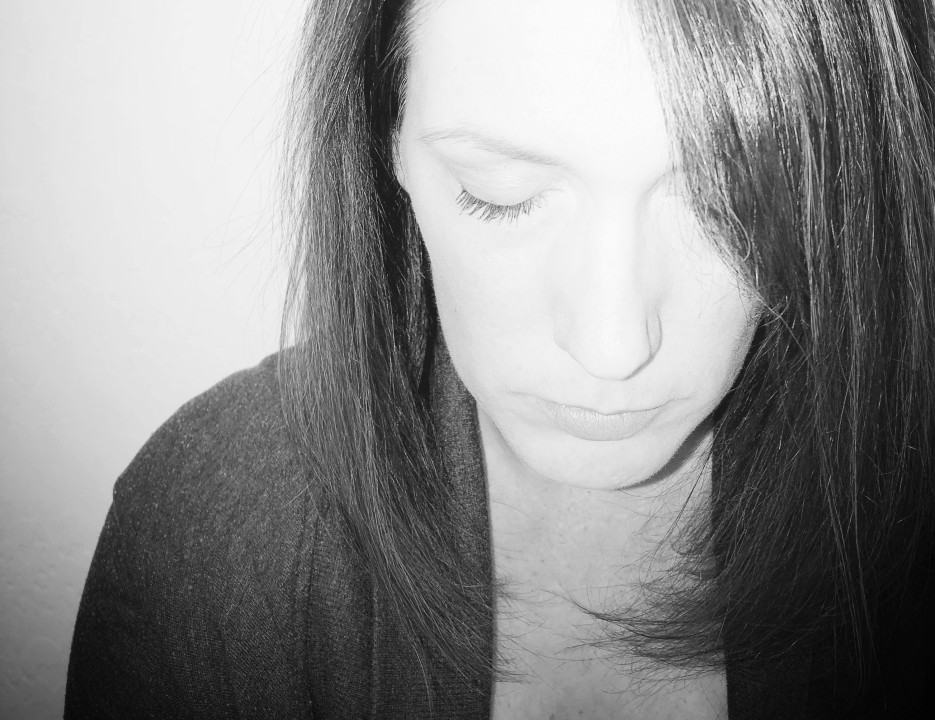
I can hear your mind whir with the laundry list of excuses and qualifiers that make your fear more legitimate, more real, more acceptable, more reasonable to consider for avoiding change in your life. Your situation is more daunting, your anxiety more crippling. At the risk of appearing weak or broken, let me take a Brene Brown moment to be vulnerable with you: I live with trauma-induced anxiety. I have struggled with anxiety every single day of my life since 1997. Every. Single. Day. For the past 24 years. Anxiety affects me greatly, but I will no longer let it control my life. Anxiety tries to hold me back nearly every day, but I won’t let it win. I was a victim in my past, but I make a conscious decision not to be held hostage by fear in my present or my future.
With this disclosure, I want you to understand that I know exactly what it feels like when life delivers you a life-altering nightmare that impacts you to the very deepest recesses of your soul. I have lived through the moment when fear first began to grow like a cancer in my body, affecting my heart rate, my breathing, my internal organs. I know anxiety is real. I am not writing to invalidate very real emotion in you. I am writing to encourage you to take the time for honest assessment so that fear does not own you and control your destiny.
I want to share with you my plan of attack when I need to defeat anxiety. My fear in sharing this information is that it will appear as if I am trivializing anxiety disorders. I am not. If the anxiety is extreme, it is best to consult a mental health professional about actual medical options available to you because mind-over-matter rarely works when the underlying issues for trauma, anxiety, or depression haven’t been properly treated. But for those whose bodies harbor residual damage from past experiences even after properly laying the past to rest, I would like to share my triple “A” approach for when anxiety strikes.
- ACKNOWLEDGE. Denying that something exists does not make it disappear. I’m an adult…a far cry from the child who believes I am hidden simply because I covered or closed my eyes. Feelings are real. Emotions exist. They actually affect me. They influence my behavior and choices. It does not give emotions more power to acknowledge their presence in my life. On the contrary, burying emotions or pretending they don’t exist most often makes emotions far worse than they actually are when they first surface. I think that living in denial is akin to driving my vehicle with my eyes shut: The engine is still propelling me forward, I just no longer possess responsible control of my vehicle. It is an incredible sign of maturity to keep my eyes wide open to my reality. In both driving and in dealing with strong human emotion, it is important to fully comprehend the entirety of the situation I am in so I can clearly choose where I am headed and to maintain control of how I get there.
- ASSESS. Here, I don’t bother asking myself if what I am feeling is “real”. Emotion is real. Emotion is legitimate. But emotion is not always applicable to the situation at hand. For this reason, I take a moment to really honestly assess why I feel anxious. I ask myself what is causing me to fear. If I am in a dangerous situation, my fight or flight system should kick in and I should begin to feel anxious. For my protection, I want this instinctual fear to remain a part of who I am. If the situation directly in front of me is creepy or actually warrants fear, I avoid it altogether, call in backup, or leave. But the vast majority of the time, what I face is mostly harmless. For instance, I’m headed to coffee with people I don’t know very well or I’m driving to a new place in an area of town I rarely visit. Misplaced anxiety rooted in past experiences, or just a generalized foreboding about a perfectly normal situation I am about to face, will hold me back in life – something I have decided I don’t want as a survivor. When all is well and fear threatens to victimize me once again, I fight back. These are the times I push through and move on to step three…
- ACT. Have you ever seen the funny movie “What About Bob?” Bob suffers from mental illnesses that keep him holed up in his apartment, with the exception of the occasional trip to see his psychiatrist. His psychiatrist advises Bob to begin taking “baby steps” to push past the fear. The movie is about the baby steps Bob takes into new and glorious adventures. Hilarity ensues as Bob changes his entire life as he pushes past his fears by methodically conquering mini goals he sets for himself, one by one. I follow the movie’s comedic advice and I form an action plan that involves tiny, actionable baby steps. Years ago, I was terribly afraid of taking a road trip. I told myself to just get in the car. When I was in the car, I told myself to just drive to the freeway. When I reached the freeway, I aimed for a Starbucks two hours down the road. And, before I knew it, my fear was gone and I encountered amazing sites and adventures as I drove – with just me and my young children – around the entirety of the Western United States! I achieved this (and many other things) by taking “baby steps”. At times it is painstakingly slow, but last I checked, slow progress is still forward progress.
Nelson Mandela once said, “Courage is not the absence of fear, but the triumph over it. The brave man is not he who does not feel afraid, but he who conquers that fear.” Change will almost always come with a fear of the unknown. To change your life, you must conquer that fear. You have what it takes within you to face that fear head on and push past it to achieve what you envision for your life. Those times where you are able to acknowledge the presence of anxiety in your life, honestly assess what is gnawing at you on the battlefield in your mind, and move forward in spite of that fear…that is brave and courageous living.
ACKNOWLEDGE. ASSESS. ACT. Whether the change is big or small, may you always have the courage to conquer your fear – one baby step at a time, if necessary.
 Wisdom from the Trenches
Leave a comment